


There is something quietly intentional about the ritual of preparing matcha in the traditional way. Unlike other teas, which are steeped and then discarded, matcha is whisked directly into water, allowing one to consume the entire leaf and experience its full flavour potential. While the process is relatively simple, the details matter.
Matcha invites us to slow down. From warming the bowl to delicately whisking the mixture, each movement has its purpose. Practised for centuries in Japan, this intricate ritual brings a sense of presence and calm into the everyday.
In this article, we’ll show you exactly how to make matcha lattes at home using the traditional method. We’ll cover the tools you’ll need, the matcha you’ll want to use, our favourite matcha recipe in South Africa, and answer some of the most common questions we receive from our customers at Ceremony.
A Brief Introduction to The Japanese Matcha Ceremony
The Japanese tea ceremony, known as chanoyu, has been practised for hundreds of years as an expression of respect, mindfulness, and hospitality. While the formal tea ceremony is highly structured, its essence is simple. To create a space of presence and connection with ourselves and our guests, through humility, attentiveness and care.
As experts at San Francisco’s Asian Art Museum describe it, ‘Through Chanoyu, sharing a bowl of tea becomes an act evoking self-awareness, generosity towards others, and a reverence for nature.’
The tea ceremony homes in on the details. From the placement of the bowl to the orientation of its decorative design to the guest. Nothing is rushed. Nothing accidental. Every detail is thought through, every movement considered. In this almost-choreographed performance, matcha becomes both the medium and the message. Understanding this context is essential when learning how to make a matcha latte.
Essential Tools for Making Matcha at Home
While many prepare matcha with modern equipment, the beauty in the ritual lies in using the traditional tools. If used correctly, these tools are carefully designed to create a smooth matcha with a balanced texture.
For a visual representation of these tools, watch The Ritual Series.
Chawan (Tea Bowl)
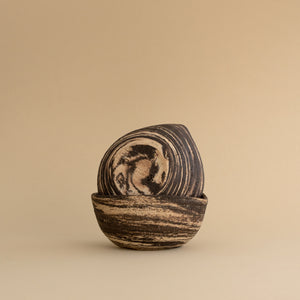
The tea bowl is the tool that grounds the ritual. Crafted out of thick clay with steep sides, the chawan is designed to keep the tea warm for as long as possible. Traditionally, matcha is consumed directly from the chawan.
Ceremony works in collaboration with local ceramic studio Nammu, which hand-crafts two beautifully distinct matcha bowls exclusively for our brand. Each Hand Crafted Tea Bowl is slightly unique, designed to ground the matcha ritual through the weight and texture of the natural clay.
Chasen (Bamboo Whisk)
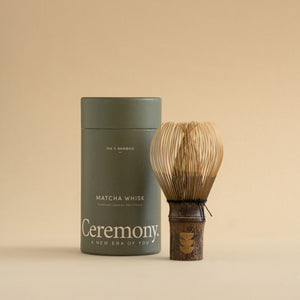
Made from a single piece of bamboo, the chasen is easily the most recognisable feature of the matcha ceremony. This ergonomic whisk is carefully designed to suspend the matcha in the water without forming clumps. The fine bristles require a delicate hand movement. Shop our 100-prong Bamboo Whisk here, hand-carved in Japan, from a single piece of bamboo.
Chashaku (Bamboo Scoop)
The Chashaku is a small scoop used to measure matcha with precision and consistency. Two heaped spoonfuls of matcha should equal the ideal serving ratio.
Scale
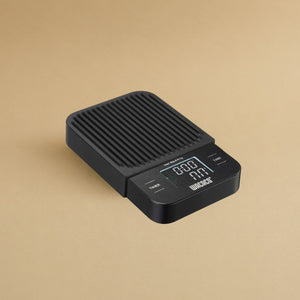
At Ceremony, we use a digital scale to ensure our matcha-to-water ratio is just right. Using a gram-measuring scale is an easy way to ensure accuracy when following your matcha recipe in South Africa. Shop our Mini Matcha Scale here.
Preparing Your Matcha Tools Before You Begin
Preparing your tools is an integral part of the ritual itself. Begin by warming the chawan with hot water. Then soak your chasen in warm water to soften the bamboo prongs, ensuring a smoother whisking experience. This is what we call ‘blooming’.
Once the chawan is warm and the chasen has bloomed, discard this water. Traditionally, the bowl is then cleaned with a special hemp cloth called a chakin, which prepares the bowl to receive the matcha powder. This process is a simple gesture of purity and is foundational when learning how to make a matcha latte.
Choosing the Best Ceremonial Matcha
Different grades of matcha provide different uses, taste profiles, and nutritional benefits. Our blog on Ceremonial Grade Matcha (link when posted) does a good job of explaining the different grades.
When choosing matcha for a ceremonial beverage, we should always opt for the highest-quality ceremonial-grade powder. Ceremonial-grade matcha is produced from young, shade-grown tea leaves, which are hand-harvested during the first harvest.
The shading process increases the chlorophyll and amino acid levels in the plant, contributing to matcha's characteristic verdant green colour and natural sweetness. While there is no technical definition of ceremonial matcha, this is the type of powder typically used in a traditional Japanese tea ceremony.
When you’re selecting a matcha powder, make sure you choose one with a vibrant green colour and a fine, silky texture. Lower-grade matcha, like culinary varieties, often appear dull or yellow in colour.
How to Make a Traditional Bowl of Ceremonial Matcha
Measure Your Matcha Powder
Once your bowl is warm and your whisk has softened, use your digital scale or chashaku to measure about 3 grams of Ceremony Premium Matcha powder and add it to your empty bowl.
Add Warm Water
The water should measure 70 to 80 degrees Celsius, never boiling hot. For a thicker, ceremonial concentration of tea, pour 30 ml of water into your chasen. A thinner tea base, known as usucha, can be made using 60-80 ml of water in the same way.
Ceremony’s matcha mixes with water without needing to sieve the powder. The clumps dissolve naturally during the whisking process.
Whisk Gently
Begin by scraping the sides of the tea bowl, making sure all the matcha powder is in the centre of the bowl. Start gently, moving your hand in a slow zigzag motion. Try not to drag the chasen on the bottom of the bowl too much. Once the powder is semi-mixed in, you can increase your speed, whisking in a faster M-or-W motion. Continue until a light, smooth, and fluffy green mixture appears. Ceremonial-grade matcha should form a thick, aerated foam on the top.
Delicious!
Traditionally, the matcha and water mixture is enjoyed as is, straight from the chasen.
How to Make a Matcha Latte
A matcha latte is a modern interpretation of the traditional bowl, offering a creamier and more approachable way to enjoy the tea. Combining whisked ceremonial matcha with a plant-based mylk and, optionally, a touch of sweetness has become one of the most popular ways to enjoy this centuries-old tea.
Froth your Mylk
Once you have prepared your matcha, choose your designed mylk. We love the Milk Lab coconut milk and the OkJa oat milk for our hot drinks, or coconut water and ice for a refreshing summer alternative.
Hot or Iced
For a hot matcha latte, add your mylk of choice into a milk frother on the warm setting. This will heat the milk up and leave it with a luscious layer of froth on the top.
For those who prefer an iced drink, there are plenty of iced matcha recipes in South Africa. For a cold matcha latte, keep the frother on the room-temperature setting. Add a couple of blocks of large ice cubes to your glass, then pour your frothed milk (or coconut water) over the ice. You want enough ice to keep the drink cold while you enjoy it, but not so much that it dilutes the flavour as it melts. The final step will be to carefully pour your matcha into the glass. Stir the matcha in and watch the layers of milk and matcha form a cloudlike structure.
A Touch of Sweetness
When using a high-grade powder, sweeteners are not necessary. That said, we aren’t against adding a bit of flavour to our drinks. Some of the most common natural sweeteners include honey, agave, and maple syrup. Some of our favourite elevated combinations at the Ceremony Matcha Bar include our White Choc Sea Salt matcha and Lionsmane Vanilla, our functional sugar-free syrup.
Frequently Asked Questions About Making Matcha
Can I use a milk frother?
Yes. While it won’t provide the same ritualistic experience, a milk frother is a practical tool for modern preparation. Never use a spoon or a fork to mix your matcha, as this will create clumps and result in an uneven texture.
Why does my matcha taste bitter?
Bitter matcha is usually the result of low-quality matcha, water temperature, or oxidation from improper storage.
When mixed with boiling hot water, matcha powder can burn and release a vegetal, bitter taste. At the same time, water that is not hot enough won’t combine well with the powder and could result in clumps. We recommend heating the water to 70-80 degrees Celsius. Learn more about the common mistakes people make when making matcha on Episode 3 of The Ritual Series: Do’s and Don’ts.
Another reason might relate to the age of your powder. Matcha powder begins to oxidise once opened, slowly losing its vibrancy and natural sweetness.
How much matcha should I use per serving?
We use around 3 grams of matcha powder (slightly more than one teaspoon) when preparing our drinks. For a thicker ceremonial tea, this quantity could increase to 4 grams per bowl. Make sure you are using either a chashaku bamboo spoon or a digital scale to measure your powder.
How long does matcha stay fresh after opening?
If stored in a cool, dark place out of sunlight, your Ceremony matcha can last for over one year. We recommend storing your matcha in a fridge or freezer. If left open, the powder can begin to oxidise, losing its bright green colour and naturally sweet flavour. It won’t freeze the powder, but the dark, cool surroundings will keep the chlorophyll from degrading too quickly.

